Podcast: AI, Sound Design, and Why Talent Still Wins
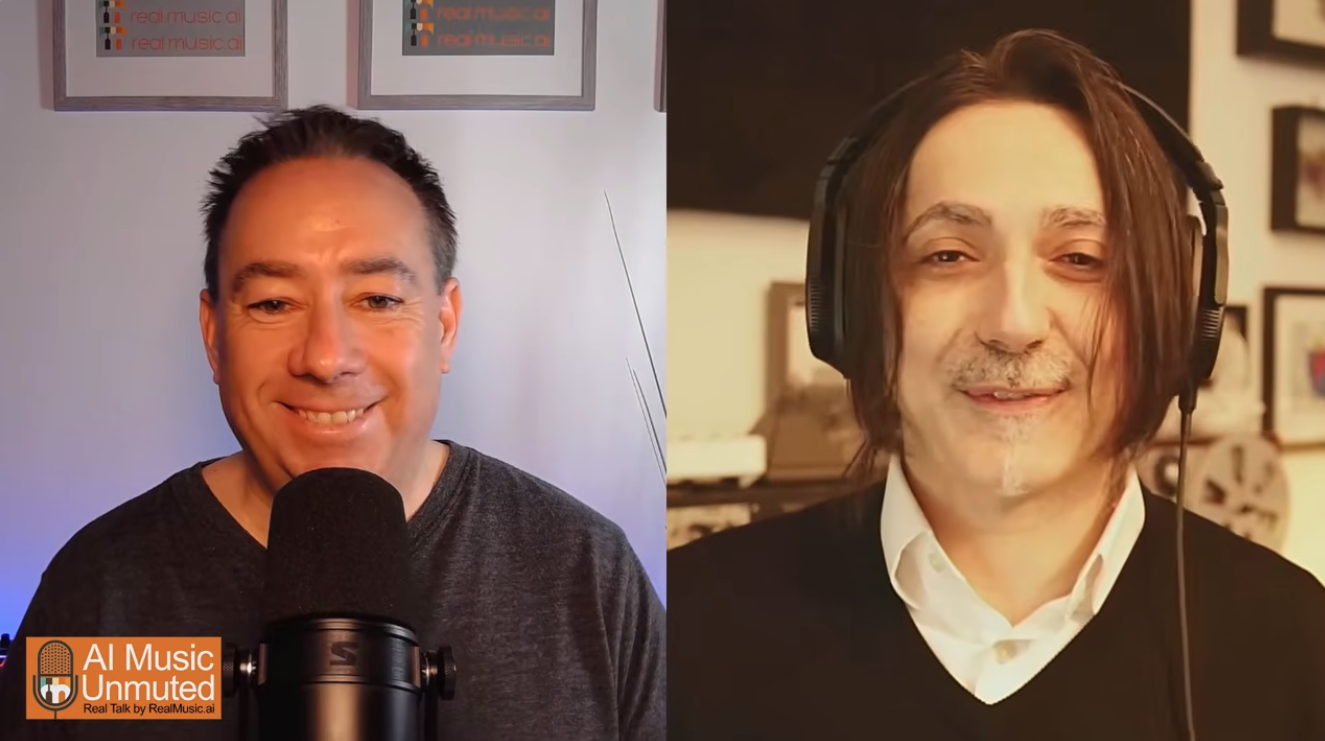
For this podcast episode, David O’Hara sits down with Jean-Luc Sinclair, composer, sound designer, educator, and author who teaches at both NYU Steinhardt and Berklee College of Music. The conversation explores how AI is impacting music production, sound design, and creative workflows, and why experienced musicians may benefit the most from these changes.
With deep experience across music production, game audio, and sound design, Jean-Luc brings a practical perspective to how technology, and now AI, is shaping the creative process.
The conversation starts with a broader look at technology in music. Jean-Luc points out that technology has been deeply embedded in music for decades. What’s changed is that it’s no longer isolated to specific roles like engineers or producers. Today, every musician interacts with technology in some way, whether they realize it or not. AI is simply the next layer, but it’s broader and more integrated than anything that came before it.
From there, the discussion moves into AI and its current role in music creation. Rather than framing it as a replacement for musicians, Jean-Luc describes AI as a “force multiplier.” It can accelerate workflows, generate ideas quickly, and open up new creative directions. At the same time, its effectiveness depends heavily on the person using it. Experienced musicians and producers are able to get far more out of these tools because they understand what they’re hearing and how to shape it.
A key theme throughout the episode is the growing divide between technical skills and creative development. As tools and workflows become more complex, more time is being spent learning software, plugins, and systems. Jean-Luc shares that in some cases, this has led to a noticeable drop in creative depth among newer sound designers, even as their technical abilities improve. This creates an interesting opportunity for AI. If certain technical tasks can be offloaded, it may allow creators to refocus on listening, creativity, and decision-making.
The conversation also dives into sound design and its role in modern media. Jean-Luc breaks down the difference between musical sound design and environmental sound design, particularly in games and immersive experiences. Sound is not just an addition to visuals. It helps define space, guide attention, and create a sense of realism. Small details, like how wind moves through a scene or how a space reacts acoustically, play a critical role in making an experience feel believable.
AI is already beginning to enter this part of the workflow as well. Tools can now generate sound effects, suggest ideas, and assist with production tasks. But as Jean-Luc explains, these systems still lack the context and intent that experienced sound designers bring. Subtle creative decisions are still what separate something that works from something that truly feels right.
The episode also explores where AI is most useful today. It can be a powerful tool for experimentation, sketching ideas, and speeding up repetitive processes. However, it still struggles with control and precision. Making specific changes or refining details remains a challenge, which reinforces the importance of human input.
Looking ahead, Jean-Luc shares his perspective on how AI may evolve. As these tools improve and become more integrated into everyday workflows, they could reduce the need to focus heavily on technical processes. This shift could allow more time to be spent on creative development, listening skills, and artistic direction. At the same time, it raises the importance of expertise. Those who understand music, production, and sound at a deeper level will be able to use these tools more effectively.
Ultimately, the conversation reinforces a simple idea. AI doesn’t level the playing field. It changes it. As more content becomes easier to create, what stands out is not just technical quality, but intention, taste, and creative judgment. In that environment, talent still wins.
For anyone working in music production, sound design, or exploring how AI fits into their workflow, this episode offers a clear and grounded perspective on where things stand today and where they may be heading.
What you’ll learn in this episode:
• How AI is being used in real music production and sound design workflows
• Why experienced musicians get more value out of AI tools
• The growing gap between technical skills and creative development
• How sound design shapes immersive experiences in games and media
• Where AI helps today, and where it still falls short
• Why creativity, taste, and decision-making are becoming more important than ever
Watch or listen to the full episode.
Video Episode: YouTube and Spotify
Audio Episode: Apple Podcast, Podbean, Amazon Music/Audible, iHeart Radio, Player FM, Spotify, Listen Notes, Podchaser, Boomplay